Red Foxes and Gray Foxes in Denver’s Urban Landscape
Two fox species call the Denver metro area home — the red fox and the less commonly seen gray fox. Red foxes are the more adaptable of the two and have become thoroughly urbanized throughout Denver’s neighborhoods, parks, and commercial districts. Gray foxes prefer the foothills and more heavily wooded areas along the western edge of the metro area, though occasional sightings occur in older Denver neighborhoods with significant tree canopy and understory vegetation.
Denver’s urban red fox population has grown steadily as the city has expanded, following the same pattern observed with urban coyotes. Foxes, however, occupy a different ecological niche — they are smaller, less dominant, and generally more tolerant of close human proximity than coyotes. In neighborhoods where both species coexist, coyotes are the dominant predator and foxes adjust their territories and activity times to avoid direct conflict. This competitive dynamic actually benefits Denver homeowners, as coyote presence helps suppress fox overpopulation in residential areas.
Fox Denning Behavior in Denver Neighborhoods
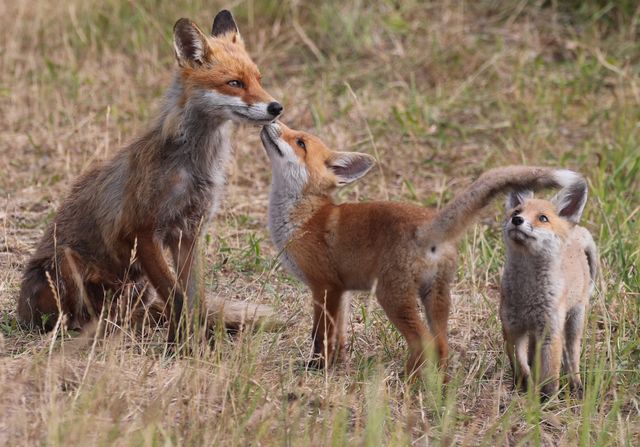
Fox denning conflicts in Denver peak between March and May when vixens (female foxes) select and prepare natal dens to give birth and raise their kits. Favorite denning locations in Denver’s urban landscape include spaces under porches and decks, beneath garden sheds, inside window wells, in dense ornamental shrub beds, and occasionally in storm drain systems. A fox den is identifiable by a clean, round entrance approximately 8 inches in diameter — noticeably smaller than the larger openings used by raccoons — with a well-worn path leading to and from the opening.
• Fox families typically use a den for only 8 to 10 weeks before moving on
• Foxes rarely cause structural damage to the areas they den under
• Kits begin emerging from the den at about 4 weeks old — peak viewing season
• Adult foxes are extremely unlikely to approach or threaten humans
• Colorado Parks and Wildlife recommends tolerating fox dens when possible
Unlike skunks, which can cause significant odor and digging damage while denning under structures, foxes are generally clean and quiet tenants. Colorado wildlife authorities recommend tolerating fox dens whenever possible and simply waiting for the family to move on naturally. If a fox den is in a location that presents a genuine safety or access concern, a licensed wildlife professional can encourage the foxes to relocate using mild harassment techniques (bright lights, noise, scent deterrents) without trapping or handling the animals.
Fox Diet and Ecological Role in Denver
Red foxes in Denver are versatile omnivores with a diet that shifts dramatically across seasons. In spring and summer, their diet is dominated by rodents (voles, mice, ground squirrels), rabbits, insects, and ground-nesting bird eggs. In fall and winter, foxes supplement with fruit, pet food, garbage, and carrion. This dietary flexibility is a major factor in their urban success — and their rodent predation provides a genuine pest control service to Denver neighborhoods.
Foxes also help regulate the small mammal populations that drive other wildlife conflicts. Neighborhoods with healthy fox populations typically experience fewer problems with vole and mouse infestations in homes and fewer landscaping damage events from burrowing rodents. This cascading ecological benefit is one reason wildlife managers advocate for fox coexistence rather than removal in Denver’s urban environment.
Fox Den on Your Denver Property? Get Guidance
Contact a licensed Denver wildlife control professional for a free inspection today.