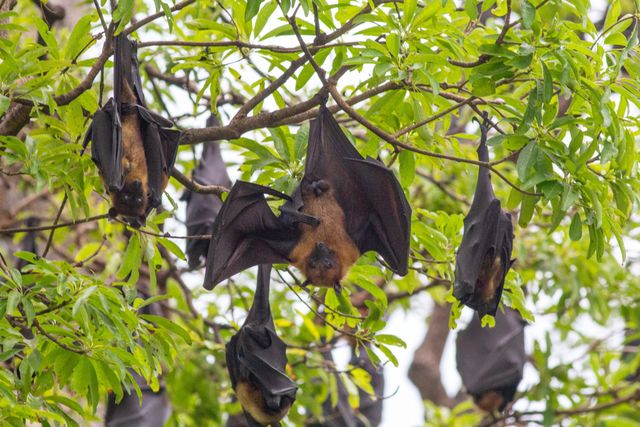
Bat Colonies in Denver Homes — Protected Wildlife Requiring Specialized Removal
Denver sits within the range of at least 18 bat species, several of which routinely roost in residential structures. The big brown bat and the little brown bat are the two species most commonly found in Denver attics, wall voids, and behind exterior shutters. Unlike most nuisance wildlife, bats in Colorado are protected under both state and federal regulations — which means their removal must follow very specific legal protocols that prohibit disturbance during maternity season.
Bat exclusion is the only legal method of removing an established bat colony from a Denver home. Trapping, poisoning, and physical removal of bats are all prohibited under Colorado law. The process relies on one-way exclusion devices similar to those used for squirrel removal, but adapted for the unique flight and roosting behaviors of bats. Timing is everything — and getting it wrong can result in significant fines from Colorado Parks and Wildlife.
The Legal Window for Bat Exclusion in Denver
• August 16 – April 30: Legal exclusion window — one-way devices may be installed
• May 1 – August 15: Maternity blackout period — exclusion work is prohibited
• Why the blackout exists: Flightless pups born in June would be trapped inside and die if adults are excluded during maternity season
• Emergency exceptions: Bats in living spaces (not attics) may be individually captured and released year-round
This seasonal restriction catches many Denver homeowners off guard. Discovering a bat colony in your attic in June means waiting until mid-August before any exclusion work can begin. Professional Denver bat removal companies will conduct a pre-assessment during the restricted period so that exclusion devices can be installed immediately when the legal window opens on August 16th.
How One-Way Bat Valves Work
Bat exclusion devices — often called bat valves or bat cones — are lightweight tubes or netting assemblies installed over the colony’s primary exit points. As bats leave at dusk to forage for insects, they pass through the one-way device normally. When they return before dawn, the device’s geometry prevents them from re-entering. Over the course of three to five nights, the entire colony relocates to an alternate roosting site without any individual bat being handled, trapped, or harmed.
Before any exclusion devices are placed, every secondary opening on the structure must be sealed. Bats can enter gaps as narrow as 3/8 of an inch — far smaller than the openings that admit squirrels or raccoons. Denver bat exclusion professionals use a combination of caulk, hardware cloth, expansion foam, and copper mesh to close these micro-gaps along rooflines, gable vents, ridge caps, and chimney flashing.
Why Denver Bats Are Worth Protecting
A single big brown bat consumes up to 3,000 insects per night, including mosquitoes, agricultural pest moths, and beetles. A colony of 100 bats — a typical size for a Denver attic colony — removes approximately 300,000 insects from the surrounding neighborhood every single night throughout the active season. This natural pest control service has measurable economic value and is one of the key reasons bats receive strong legal protections in Colorado.
Bat populations across North America face mounting pressure from white-nose syndrome, habitat loss, and wind energy development. Denver homeowners who discover bat colonies in their structures have an opportunity to support conservation by installing bat houses on their property as alternative roosting sites before exclusion work begins. This approach, sometimes called “exclude and redirect,” gives the colony a ready-made home to move into and is considered a best practice by wildlife conservation organizations working to protect Denver’s native species.
Bats in Your Denver Home? Schedule a Free Assessment
Contact a licensed Denver wildlife control professional for a free inspection today.