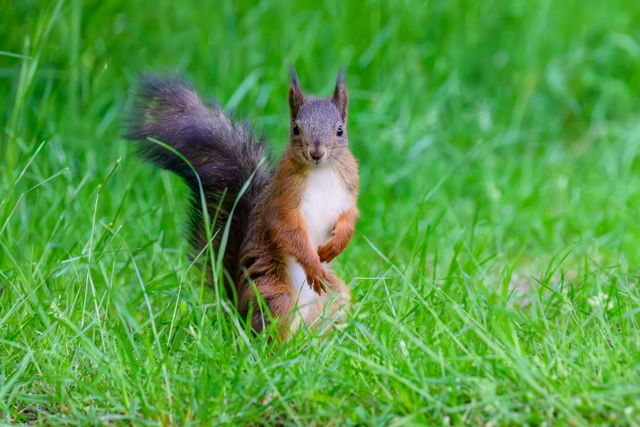
Squirrels in Your Denver Attic — A Common and Solvable Problem
Fox squirrels and pine squirrels are the two species most likely to invade Denver attics. These agile rodents can squeeze through openings as small as 1.5 inches and are capable of chewing through wood, plastic, and even soft metals to create or enlarge entry points. Once inside, squirrels build nests from insulation, stored clothing, and cardboard — and their constant gnawing on electrical wiring creates a genuine fire hazard that Denver homeowners cannot afford to ignore.
Unlike raccoons, squirrels are active year-round in Denver and do not hibernate. This means attic invasions can occur in any season, though they tend to peak in early spring and late fall when squirrels are most actively seeking shelter for breeding. Fortunately, humane removal techniques — particularly one-way exclusion doors — make squirrel removal one of the most straightforward wildlife conflicts to resolve without harming the animals.
One-Way Exclusion Doors — The Gold Standard for Squirrel Removal
The most effective and humane method for removing squirrels from a Denver attic is the one-way exclusion door. This device is a small, spring-loaded or gravity-fed tunnel installed over the squirrel’s primary entry point. The design allows squirrels to exit the attic naturally during their normal foraging trips but prevents them from re-entering. Within 48 to 72 hours, all squirrels voluntarily leave the attic without any trapping, handling, or relocation required.
• Zero animal handling means zero stress on the squirrels
• No risk of separating mothers from nursing young inside the attic
• No daily trap-checking obligations for the homeowner
• Higher success rate than cage trapping for tree squirrel species
• Fully compliant with Colorado wildlife regulations
Before installing a one-way door, a Denver wildlife professional will inspect the entire roofline and seal every secondary opening. This step is non-negotiable — if alternate entry points exist, squirrels will simply re-enter through those instead of using the exclusion device. Professionals typically use galvanized hardware cloth, metal flashing, and expanding foam reinforced with steel wool to close these gaps permanently.
Recognizing the Signs of a Squirrel Infestation in Your Denver Attic
Squirrel infestations in Denver attics produce distinctive signs that homeowners can learn to identify early. The most obvious indicator is audible scratching, scampering, or rolling sounds coming from the ceiling or walls, particularly during early morning and late afternoon hours when squirrels are most active. Exterior signs include chew marks around fascia boards, soffit vents, and roof-edge trim, as well as visible gnaw damage on nearby tree limbs that squirrels use as launch points to reach the roof.
Inside the attic, squirrel nests appear as compressed balls of insulation, leaves, and shredded material roughly 8 to 12 inches in diameter. Droppings are small, dark, and pellet-shaped — similar to but slightly larger than mouse droppings. Any evidence of chewed electrical wiring should be treated as an urgent safety concern requiring immediate professional evaluation, both for wildlife removal and electrical repair.
Preventing Squirrel Re-Entry After Removal
Permanent squirrel exclusion in Denver requires addressing both the structural vulnerabilities of the home and the environmental attractants around the property. On the structural side, trim tree branches back at least 8 feet from the roofline, install metal drip-edge flashing along vulnerable roof edges, and replace damaged soffit vents with heavy-gauge metal screening. Environmentally, avoid leaving bird feeders accessible to squirrels and secure outdoor trash bins — the same practices that help prevent raccoon conflicts.
Hearing Scratching in Your Denver Attic?
Contact a licensed Denver wildlife control professional for a free inspection today.
Squirrels are a healthy, natural part of Denver’s diverse wildlife community. Humane exclusion methods allow homeowners to resolve the conflict without harming these familiar neighborhood residents. With proper professional exclusion and follow-up prevention measures, a squirrel-free attic in Denver is both achievable and sustainable long-term.