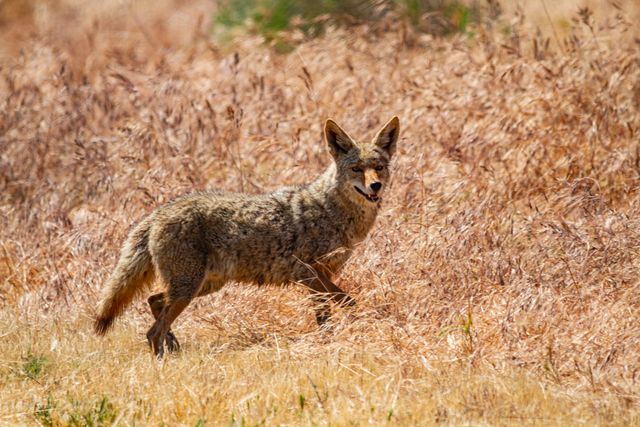
Denver’s Growing Urban Coyote Population
Coyotes have become a permanent and increasingly visible fixture of Denver’s urban landscape. An estimated 1,000 to 2,000 coyotes live within the Denver metro area, inhabiting parks, greenbelts, drainage corridors, and vacant lots throughout the city and its suburbs. Unlike many wildlife species that struggle with urbanization, coyotes have thrived in Denver’s built environment — adapting their diet, activity patterns, and denning habits to exploit the resources that human neighborhoods provide.
Denver’s coyote population has grown steadily over the past two decades as urban development has expanded into former agricultural and prairie habitat. Rather than being displaced, coyotes have simply adjusted. Urban coyotes in Denver tend to be slightly smaller than their rural counterparts, shift more of their activity to nighttime hours, and rely more heavily on human-associated food sources like unsecured trash, pet food, fallen fruit, and — unfortunately — small unattended pets.
Coyote Behavior Patterns in Denver Neighborhoods
Understanding coyote behavior is the foundation of safe coexistence. Denver coyotes follow predictable seasonal activity patterns that residents can learn to anticipate. During winter months, coyotes are most visible as they range widely in search of food across their expanded cold-weather territories. In spring and summer, behavior shifts dramatically — mated pairs establish and defend smaller territories centered on their den sites, and adults become significantly more territorial and protective when pups are present.
• January – March: Mating season — increased vocalizations, wider ranging, more daytime sightings
• April – May: Denning and pup-rearing — adults become territorial near den sites
• June – August: Pup training — juveniles seen accompanying adults, exploring neighborhoods
• September – December: Dispersal season — young coyotes leave family groups, conflicts increase in new areas
Most coyote encounters in Denver occur during the dawn and dusk transition periods when coyotes are naturally most active and residents are walking dogs or exercising outdoors. Daytime sightings are not inherently alarming — urban coyotes occasionally adjust their schedules — but a coyote that consistently approaches humans, follows pedestrians, or does not respond to hazing (shouting, arm-waving, noisemakers) should be reported to Denver Animal Protection immediately.
Keeping Pets Safe From Denver Coyotes
Small dogs and outdoor cats face the highest risk from Denver’s urban coyotes. Cats allowed to roam outdoors are particularly vulnerable during dawn and dusk hours. Small dogs under 25 pounds should never be left unattended in unfenced yards, even briefly, in neighborhoods with known coyote activity. Retractable leashes should be avoided during walks in areas near greenbelts and drainage corridors where coyotes travel — a standard 6-foot leash keeps dogs close enough to protect.
Coyote-proof fencing for Denver yards requires a minimum height of 6 feet with either a 45-degree angled extension (coyote roller) at the top or a buried L-shaped footer at the base to prevent digging under. Neither height nor burial alone is sufficient — coyotes can both jump and dig with remarkable effectiveness. These same exclusion principles apply to keeping skunks, foxes, and deer out of Denver residential properties.
Concerned About Coyotes in Your Denver Neighborhood?
Contact a licensed Denver wildlife control professional for a free inspection today.
Coyotes are not candidates for removal or relocation under most circumstances in Colorado. Denver’s approach to urban coyotes is centered on coexistence — educating residents about hazing techniques, securing attractants, and protecting vulnerable pets. When coyotes do become genuinely habituated to humans and present a documented public safety risk, Colorado Parks and Wildlife may authorize targeted management actions, but these situations remain rare.