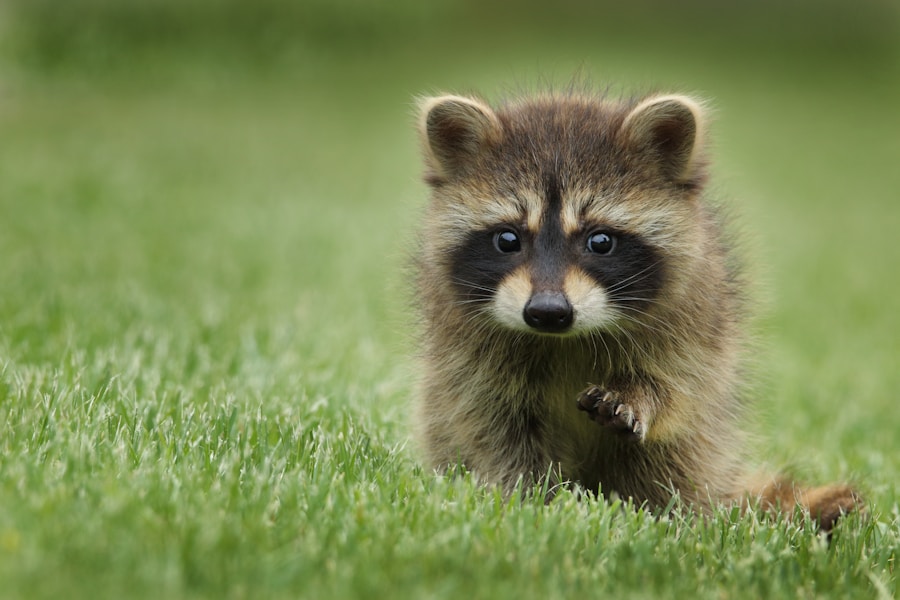
Why Denver Homeowners Need Professional Raccoon Removal
Raccoons are among the most commonly encountered nuisance wildlife in the Denver metro area. These intelligent, dexterous animals frequently find their way into attics, crawl spaces, and chimneys — especially during spring when females search for safe denning sites to raise their young. While raccoons play a valuable role in Denver’s urban ecosystem as natural scavengers alongside coyotes, their presence inside your home creates serious health and structural risks that demand professional intervention.
Colorado Parks and Wildlife regulations require that raccoon removal in Denver be conducted using humane, non-lethal methods whenever possible. Licensed wildlife control operators follow strict protocols that prioritize the animal’s welfare while permanently resolving the conflict for homeowners. Understanding these methods helps Denver residents make informed decisions when raccoons move in uninvited.
The Humane Raccoon Removal Process Explained
Professional raccoon removal in Denver follows a systematic approach designed to minimize stress on both the animals and the homeowners. The process begins with a thorough inspection of the property to identify all entry points, nesting areas, and the number of raccoons present. This step is critical because female raccoons with nursing kits require specialized handling to keep mothers and babies together during relocation.
• Comprehensive property inspection — identifying entry points, damage, and nesting sites
• Species-appropriate live trapping — using padded, appropriately sized cage traps
• Mother-kit reunification — ensuring nursing females and babies are relocated together
• Same-day relocation — transporting animals to approved release sites within hours
• Entry point sealing — permanent exclusion repairs after removal is confirmed
After the raccoons are safely removed, the final and arguably most important step is exclusion and entry point repair. Without sealing the openings raccoons used to enter, new animals will simply move into the same space. Denver wildlife professionals use heavy-gauge galvanized steel mesh, metal flashing, and commercial-grade sealants to permanently close these vulnerabilities.
Health Risks Associated With Raccoons in Denver Homes
Raccoon infestations pose health risks that extend well beyond property damage. Raccoon feces can contain Baylisascaris procyonis roundworm eggs, which remain viable in soil and insulation for years and can cause severe neurological disease in humans if accidentally ingested. Raccoons in Denver also carry distemper, leptospirosis, and in rare cases, rabies — making DIY removal attempts both dangerous and inadvisable.
Professional attic restoration after raccoon removal typically includes removal of contaminated insulation, antimicrobial treatment of affected surfaces, and installation of new insulation. Many Denver wildlife control companies offer this as a bundled service, and homeowner’s insurance policies sometimes cover the remediation costs when properly documented.
When Raccoon Season Peaks in Denver
Raccoon conflicts in Denver follow predictable seasonal patterns. The busiest period runs from late March through June, when pregnant females seek warm, enclosed spaces to give birth and nurse their young. A second spike occurs in autumn as raccoons increase their foraging activity to build fat reserves before winter. During these peak periods, Denver homeowners should be especially vigilant about securing trash cans, pet food, and potential entry points around their roofline and foundation.
Need Humane Raccoon Removal in Denver?
Contact a licensed Denver wildlife control professional for a free inspection today.
Raccoons are a natural part of Denver’s urban wildlife community. The goal of humane removal is never to eliminate them from the landscape but to resolve the specific conflict between one animal and one home. When removal is handled professionally and ethically, both the homeowner and the raccoon benefit from a quick, stress-free resolution.