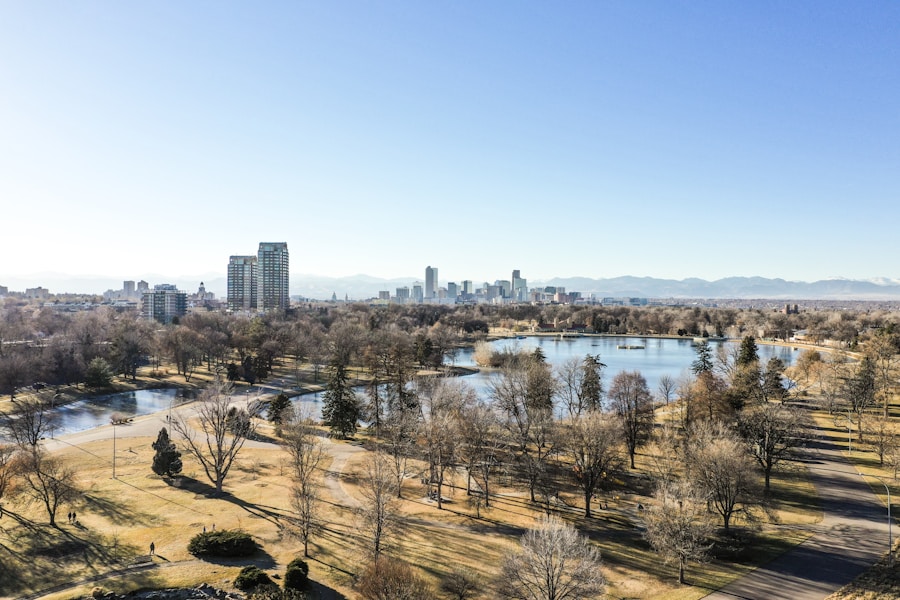
Denver’s Growth and the Wildlife Caught in Between
Denver is one of the fastest-growing metropolitan areas in the western United States, and that growth has profound consequences for the wildlife species that have inhabited this landscape for millennia. As new housing developments, commercial centers, and transportation corridors push outward from Denver’s urban core, the natural habitat that supports coyotes, mule deer, foxes, and dozens of other species is being fragmented, compressed, and fundamentally altered.
The result is an accelerating pattern of human-wildlife conflict across Denver’s suburban fringe. Animals that once had adequate space to forage, breed, and migrate without encountering residential neighborhoods are now funneled through increasingly narrow habitat corridors — or forced to adapt to urban living entirely. Understanding this dynamic is essential context for every residential wildlife conflict in the Denver metro area, from raccoons in attics to deer in gardens.
How Habitat Fragmentation Works in the Denver Metro Area
Denver’s development pattern has created a patchwork of habitat islands connected by narrow corridors — primarily creek drainages, railroad rights-of-way, utility easements, and undeveloped open space parcels. These corridors are the lifelines that allow wildlife to move between larger habitat areas for feeding, breeding, and seasonal migration. When a corridor is severed by a new road, development, or fence line, the wildlife populations on either side become isolated — genetically, behaviorally, and in terms of their ability to access resources across the landscape.
The South Platte River and its tributary creeks — Cherry Creek, Bear Creek, Clear Creek, and Sand Creek — form Denver’s most critical wildlife corridor network. These waterways support beaver populations, provide hunting territory for raptors, and serve as travel routes for every major wildlife species in the metro area. Denver’s trail system along these waterways, while excellent for recreation, also concentrates human activity directly within the corridors that wildlife depends on — creating daily conflicts that neither people nor animals would experience if adequate habitat existed elsewhere.
• Mule deer: Winter range has shrunk by an estimated 35% along Denver’s western fringe since 2000
• Coyotes: Territory sizes in urban Denver are 50-75% smaller than rural coyote territories
• Foxes: Increasing competition with coyotes as both species are compressed into smaller areas
• Raptors: Nesting site availability declining as mature trees are removed for development
• Beavers: Water diversions and channelization reduce suitable dam-building sites
What Denver Can Do — And What Homeowners Can Do
At the municipal level, Denver and its surrounding communities are increasingly incorporating wildlife corridor protection into development planning. Open space acquisitions along critical drainages, wildlife-friendly fencing requirements in new developments, and road-crossing structures (underpasses and overpasses) on high-conflict roadways all contribute to maintaining functional connectivity for wildlife across the metro area.
Individual Denver homeowners can contribute by maintaining wildlife-permeable fencing on their properties (gaps at the bottom allow small animals to pass through), reducing outdoor lighting that disrupts nocturnal wildlife movement, and supporting local conservation organizations that acquire and protect critical habitat parcels. When wildlife conflicts do arise — as they inevitably will at the urban-wildland interface — choosing humane exclusion-based solutions over lethal control preserves the individual animals and the populations they belong to. Every species discussed in this guide, from bats to beavers, plays a role in maintaining the ecological health of Denver’s remaining natural areas — and their continued presence is a measure of how well the city manages the balance between growth and conservation.
Living at Denver’s Urban-Wildlife Interface? Get Expert Help
Contact a licensed Denver wildlife control professional for a free inspection today.